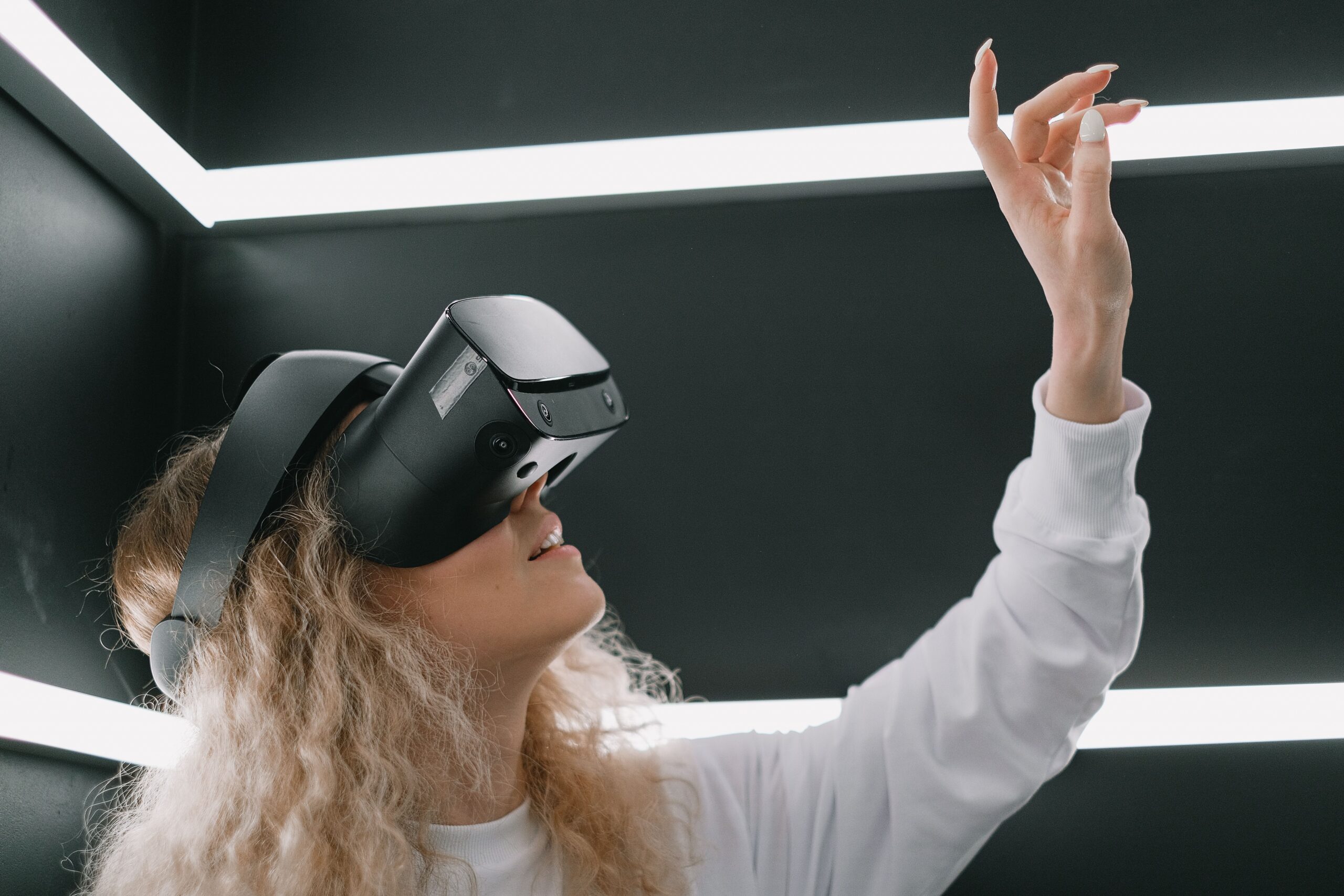
Building empathy through immersive Virtual Reality
See Life Through Their Eyes
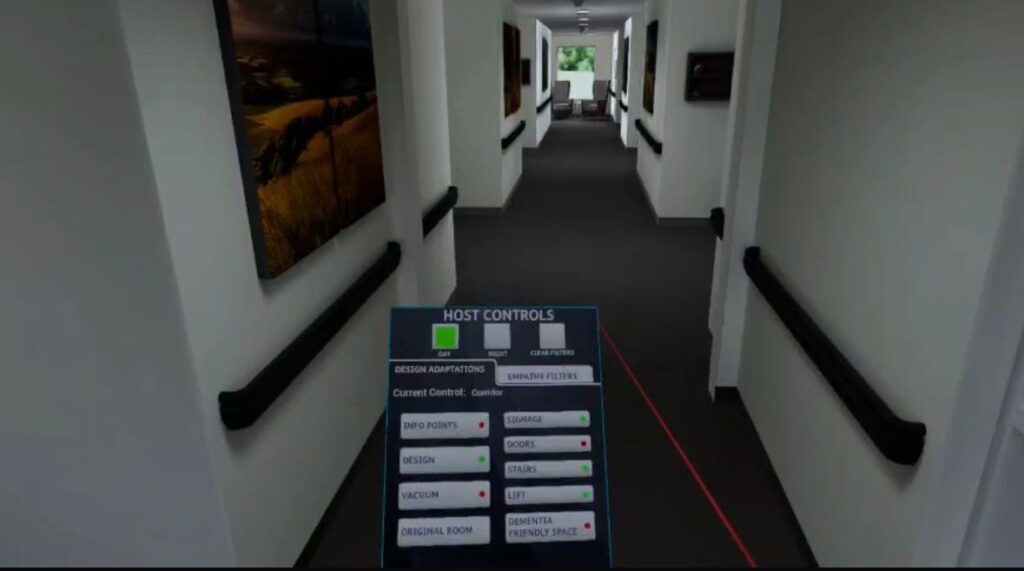
Experience the sensory challenges of dementia and ageing through immersive Virtual Reality. LifeLens® helps care teams build empathy, improve quality of interaction and support more person-centred care.
LifeLens® was developed to raise awareness and understanding of dementia and ageing sensory challenges. Through immersive Virtual Reality, organisations can build empathy, improve quality of interaction and help support independent living.
Support your team to better understand residents and improve day-to-day care.
Healthcare professionals
Build empathy and improve communication with patients living with dementia.
Training providers
Deliver more impactful, memorable training experiences.
Outcomes
Better understanding leads to better care
LifeLens® helps teams move beyond theory — building real empathy that improves how care is delivered every day.
Build Empathy
Raise Awareness & Understanding
Improve Quality of Interaction
Reduce Slips, Trips & Falls
About VR Dementia Training
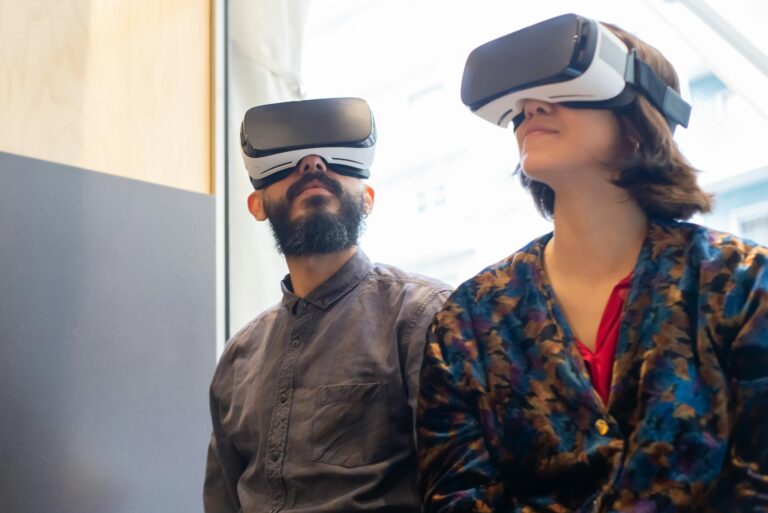
VR dementia training helps healthcare professionals, carers, educators and organisations better understand the lived experience of dementia through immersive virtual reality experiences. By placing users inside realistic environments that simulate sensory, emotional and communication challenges, LifeLens® supports empathy, awareness and more compassionate day-to-day interactions. Unlike traditional classroom learning, immersive VR training creates engaging experiences that improve reflection, understanding and long-term learning outcomes across healthcare, education and care environments.
See LifeLens® in action
Book a short demo and experience how it transforms understanding in care environments.